In This Article
Let’s be honest: shopping for a treadmill in 2026 feels a bit like buying a used car from a stranger who really, really wants you to trust them. Every listing promises a “commercial-grade motor,” every brand claims “unmatched durability,” and somehow every single machine is “rated 4.8 stars by thousands of happy customers.” So how do you actually find the best treadmill brands without falling for marketing fluff? You look past the shiny console and into the stuff that actually matters — motor horsepower, frame warranty length, deck cushioning, and what real owners say two years after the “new machine smell” wears off. That’s exactly what this guide does. We dug into the specs, cross-referenced independent lab testing from outlets like Consumer Reports and Garage Gym Reviews, and pulled apart the warranty fine print so you don’t have to.
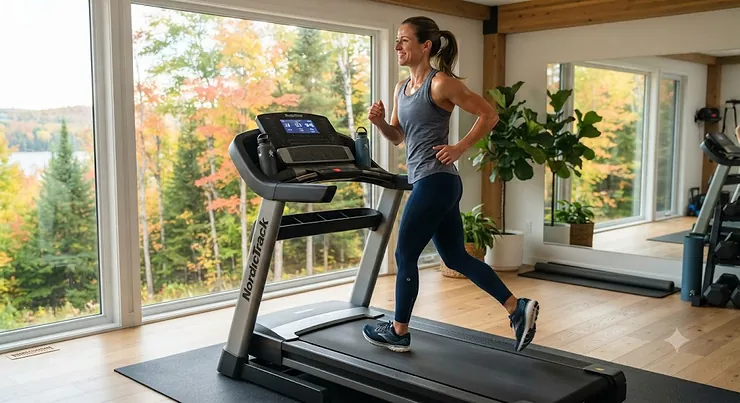
If you’re wondering what actually separates the best treadmill brands from the rest of the pack, here’s the short answer: it comes down to motor reliability, frame construction, warranty depth, and how the company treats you after you’ve already handed over your credit card. A cheap treadmill with a flimsy 1.5 CHP motor might get you through January, but a well-built machine from a reputable manufacturer can carry you through a decade of Canadian winters when the sidewalks turn into skating rinks. And frankly, given that most adults in Canada still don’t meet the recommended 150 minutes of weekly moderate-to-vigorous activity, having a reliable machine parked in your basement can be the difference between a resolution that sticks and one that quietly becomes a laundry rack by February.
Below, we’ll walk through seven genuinely good machines from top treadmill manufacturers, compare their warranties and customer service reputations, and give you a decision framework so you’re not just guessing.
Quick Comparison Table
| Brand & Model | Best For | Motor | Price Range (CAD) |
|---|---|---|---|
| NordicTrack Commercial 1750 | Best overall smart treadmill | 3.75 CHP | C$2,400-C$2,900 |
| Sole F85 | Best motor durability | 4.0 HP | C$2,600-C$3,100 |
| Horizon 7.0 AT | Best value warranty | 3.5 CHP | C$1,600-C$1,900 |
| ProForm Carbon Pro 2000 | Best budget-friendly runner’s pick | 3.6 CHP | C$1,300-C$1,600 |
| Peloton Tread | Best interactive class experience | Commercial-grade | C$3,300-C$3,800 |
| Echelon Stride 6 | Best space-saving fold | 2.25 CHP | C$1,100-C$1,400 |
| Urevo Strol 1 Pro | Best budget walking pad | 2.25 HP | Under C$450 |
A quick glance at this table tells you most of what you need to know before diving deeper: price and motor size climb together, but that doesn’t mean the priciest option automatically wins your specific situation. If you’re a walker who just wants steps in during a Canadian February, the Urevo or Echelon will do the job for a fraction of what NordicTrack or Peloton charge. Runners chasing serious mileage, on the other hand, need the horsepower headroom that only the mid-range and premium machines in this table can reliably provide over years of use.
💬 Just one click — help others make better buying decisions too! 😊
Top 7 Treadmill Brands: Expert Analysis
1. NordicTrack Commercial 1750 — best all-around smart treadmill
The Commercial 1750 earns its reputation as the gold standard for home smart treadmills, and the 3.75 CHP motor is the reason why: it holds speed steady through interval training instead of bogging down mid-sprint like the smaller motors found in budget machines. The 10-inch decline and 15% incline range let you simulate genuinely varied terrain, and the 16-inch pivoting HD touchscreen syncs with iFIT’s trainer-led workouts that automatically adjust speed and incline as you go. Based on the spec comparison against similarly priced machines, the 1750’s running deck (22″ x 60″) is noticeably longer than most competitors, which matters if you have a long stride or you’re over six feet tall.
This is the treadmill for someone who wants a Peloton-style immersive workout without the Peloton subscription premium, and who has the floor space to accommodate a machine this substantial. Reviewers consistently note that the iFIT programming genuinely changes how often people use the machine compared to bare-bones consoles, though several also mention that the screen becomes far less useful without an active subscription.
Pros:
- ✅ Strong 3.75 CHP motor handles intervals without strain
- ✅ Long, cushioned deck suits taller runners comfortably
- ✅ iFIT auto-adjust technology mimics real coaching
Cons:
- ❌ Requires ongoing iFIT subscription for full value
- ❌ Bulky footprint even when folded
Expect to pay in the C$2,400-C$2,900 range at the time of research. For serious home runners with the space to spare, this is one of the strongest value propositions in its category.
2. Sole F85 — best long-term motor reliability
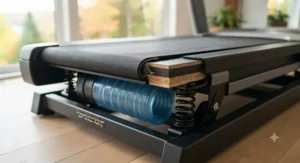
The Sole F85’s 4.0 HP motor is built for consistency rather than flash, and that’s precisely the point: it’s engineered to run for years of daily jogging without the speed lag some competitors show as the motor ages. Sole’s proprietary Sole+ platform bundles trainer-led workouts and entertainment apps into the purchase price, with no recurring subscription required — a meaningful difference from brands that gate their best content behind a monthly fee.
What most buyers overlook about this model is the deck firmness. It’s less cushioned than some rivals, which sounds like a downside on paper, but Sole’s own testers and independent reviewers alike note this actually creates a more stable, road-like feel that road runners specifically tend to prefer over mushier decks. Aggregated review sentiment across major fitness retailers points to strong long-term satisfaction, particularly around the lifetime frame and motor warranty, which is among the best in the industry and reflects real confidence in the build quality.
Pros:
- ✅ Lifetime motor and frame warranty, well above average
- ✅ No subscription required for onboard programming
- ✅ Stable, road-like deck feel favoured by runners
Cons:
- ❌ Less plush cushioning than some premium rivals
- ❌ Console feels dated next to touchscreen competitors
Priced around C$2,600-C$3,100, the F85 rewards buyers who prioritize longevity over flashy tech.
3. Horizon 7.0 AT — best value-to-warranty ratio
Horizon has quietly built one of the most respected warranty reputations in the mid-range category, and the 7.0 AT is a strong illustration why: a lifetime frame warranty on a machine priced well under C$2,000 is genuinely rare. The 3.5 CHP motor and Bluetooth-enabled console with app connectivity cover the essentials without overcomplicating things, while a folding deck with hydraulic assist makes daily storage realistic for smaller Canadian condos and townhomes.
Here’s what to weigh: this isn’t the machine for someone chasing marathon-pace interval training, but for walkers, joggers, and beginners easing into a routine, the combination of a sturdy frame and genuinely long warranty coverage is hard to beat at this price point. Reviewers consistently point to Horizon’s customer service as responsive relative to its price tier, which matters more than people expect once something actually needs fixing.
Pros:
- ✅ Lifetime frame warranty is exceptional for the price
- ✅ Folds compactly with hydraulic assist
- ✅ Bluetooth app connectivity included standard
Cons:
- ❌ 3.5 CHP motor limits high-intensity interval work
- ❌ Smaller touchscreen than premium competitors
At C$1,600-C$1,900, the 7.0 AT is arguably the smartest warranty-to-dollar ratio on this entire list.
4. ProForm Carbon Pro 2000 — best budget pick for runners
ProForm shares a parent company with NordicTrack, and it shows: the Carbon Pro 2000 delivers a 3.6 CHP motor, 12% incline, and iFIT compatibility at a noticeably lower price than its NordicTrack sibling, sacrificing mainly the decline feature and a slightly smaller screen. On paper this means runners get nearly the same training capability for meaningfully less money — a rare case where the “budget” option in a lineup doesn’t feel like a compromise.
The cushioned deck absorbs impact well for a machine in this price bracket, something that matters if you’re logging longer runs several times a week rather than the occasional walk. Based on the spec comparison, this is the pick for someone who wants NordicTrack-caliber training features without paying for the incline/decline range most casual users won’t fully use anyway.
Pros:
- ✅ Near-identical performance to pricier NordicTrack models
- ✅ Comfortable cushioned deck for regular runners
- ✅ iFIT compatibility included
Cons:
- ❌ No decline training capability
- ❌ Screen is smaller than flagship competitors
Typically found in the C$1,300-C$1,600 range, making it one of the better cost-per-workout values among mid-tier machines.
5. Peloton Tread — best interactive class experience
Peloton built its entire brand around the class experience, and the Tread’s console and instructor-led programming remain genuinely difficult to replicate elsewhere — the leaderboard, live metrics, and community features create an accountability loop that dedicated class-goers say keeps them coming back more consistently than a plain console ever did. That said, based on independent lab testing, the Tread’s warranty coverage runs shorter than the industry standard for a machine at this price point, which is worth factoring into your decision.
What the spec sheet won’t tell you, but reviewers note, is that the machine largely loses its value proposition without an active All-Access Membership subscription, since most of the workout content lives behind that paywall rather than on the device itself. Peloton does offer a home trial period for new buyers, which meaningfully reduces the risk of committing to a machine this expensive before you know if the class format suits you.
Pros:
- ✅ Best-in-class live and on-demand instructor programming
- ✅ Home trial period reduces buyer’s risk
- ✅ Large, responsive touchscreen and community leaderboard
Cons:
- ❌ Warranty coverage falls below industry standard
- ❌ Nearly pointless without an ongoing subscription
Expect a premium price around C$3,300-C$3,800, positioning this squarely for buyers who value the class experience above raw hardware value.
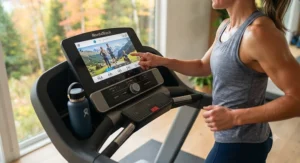
6. Echelon Stride 6 — best space-saving fold
For apartment dwellers and anyone short on square footage, the Stride 6’s genuine ability to fold flat — rather than just tilting upright — is the standout feature, letting it slide under a bed frame instead of permanently colonizing a corner of the living room. The 2.25 CHP motor is modest, which honestly makes sense given the target user: this is built for walking and light jogging, not marathon training.
Here’s what to weigh: Echelon’s FitPass membership unlocks the bulk of its class library, similar to Peloton’s model, so factor that ongoing cost into your real total price before comparing it against subscription-free competitors. Aggregated customer sentiment describes the Stride 6 as reasonably quiet for its price bracket, a genuine advantage for anyone living in a building with thin walls or downstairs neighbours who value their sleep.
Pros:
- ✅ Folds fully flat for genuine space-saving storage
- ✅ Quiet operation suits apartments and condos
- ✅ Compact footprint fits small Canadian living spaces
Cons:
- ❌ Modest motor limits it to walking and light jogging
- ❌ Full class library requires a paid FitPass subscription
Priced in the C$1,100-C$1,400 range, it’s a smart pick for anyone whose priority is storage flexibility over performance ceiling.
7. Urevo Strol 1 Pro — best budget walking pad
If your goal is simply to move more throughout the day — pacing during phone calls, walking while you work, sneaking in steps on a rainy commute-free day — the Strol 1 Pro’s compact walking-pad format solves a completely different problem than the six treadmills above it. At under C$450, it costs a fraction of a full-sized machine, and its low-profile design tucks under a desk or into a closet when not in use.
Reviewers consistently note that walking pads in this price category, including this one, trade off in build longevity what they save in cost, and Urevo’s warranty coverage and Canadian customer service infrastructure are considerably thinner than what established brands like Sole or Horizon offer. That’s not necessarily a dealbreaker if you understand what you’re buying: a lightweight, no-incline, walking-only device rather than a training machine. For someone testing whether a daily walking habit will actually stick before committing to a bigger investment, it’s a reasonable low-risk entry point.
Pros:
- ✅ Extremely low price point for testing a walking habit
- ✅ Compact, under-desk-friendly footprint
- ✅ Simple setup with minimal assembly required
Cons:
- ❌ Thinner warranty and support network than major brands
- ❌ Walking-only; no incline or running capability
At under C$450, treat it as a low-commitment starting point rather than a long-term training investment.
Your First 30 Days: A Practical Treadmill Setup and Maintenance Guide
Getting a treadmill through your front door is the easy part; setting it up correctly is where most first-time buyers cut corners they’ll regret later. Place the machine on a hard, level surface, or better yet, a rubber equipment mat — this protects both your flooring and the treadmill’s internal components from vibration damage over time, something particularly relevant on the hardwood and laminate floors common in newer Canadian builds. Leave at least two feet of clearance behind the machine, both as a safety buffer and because most safety keys need that space to function properly if you stumble.
During the first 30 days, resist the urge to skip the belt-lubrication check most owners forget about. Most manufacturers recommend lubricating the deck every three to six months depending on usage frequency, and doing it early prevents the excessive friction that quietly shortens motor life. Common early mistakes include running at max incline before your joints adjust, not properly securing the safety clip to your clothing, and ignoring an unfamiliar clicking sound that’s usually an early warning of belt misalignment rather than something to “just get used to.” Address a squeak or thump in week two, and you’ll likely avoid a costly repair in year two.
Real-World Scenarios: Which Treadmill Actually Fits Your Life
Picture three different people shopping for the exact same “best treadmill brands” search result. Sarah is a university student in a 500-square-foot Toronto apartment who wants to walk while attending online lectures — for her, the Urevo Strol 1 Pro or Echelon Stride 6 makes far more sense than a bulky commercial-style machine she’d have to disassemble every time she needs the floor space back.
Then there’s Marcus, training for his second half-marathon through a Calgary winter where outdoor running becomes genuinely unsafe on icy sidewalks for months at a time. He needs the incline range, deck cushioning, and motor durability of something like the Sole F85 or NordicTrack Commercial 1750 — machines built to survive months of consistent 10K-plus training runs without the motor or belt showing wear.
Finally, consider the Chen family in suburban Ottawa, where three household members with wildly different fitness levels and goals will share one machine. Here, the Horizon 7.0 AT’s balance of durability, moderate price, and genuinely strong warranty coverage makes it the pragmatic choice — nobody in the household needs elite-level incline training, but everybody benefits from a machine backed by a warranty that won’t leave the family on the hook if something breaks under shared, heavier use.
How to Choose the Best Treadmill Brand for You
Picking among the best treadmill brands doesn’t have to mean drowning in spec sheets. Work through these criteria in order, and the right pick tends to become obvious:
- Define your primary use case. Walking, jogging, or serious running each demand different motor sizes — don’t pay for horsepower you’ll never use.
- Set a realistic budget band, not a single number. Prices fluctuate, so think in ranges (e.g., “under C$2,000”) rather than an exact figure.
- Measure your actual space, including clearance. A treadmill that “just barely fits” rarely folds and unfolds as easily as showroom demos suggest.
- Prioritize warranty length over flashy features. A machine with a mediocre screen but a lifetime frame warranty will usually outlast one with the reverse.
- Factor in ongoing subscription costs. Some brands’ most useful features live behind a paywall — calculate your real three-year cost, not just the sticker price.
- Research the manufacturer’s Canadian service network. A brand with slow or nonexistent Canadian support turns a simple repair into a months-long headache.
- Read aggregated review patterns, not individual five-star outliers. Look for recurring themes across dozens of reviews rather than trusting any single glowing (or scathing) post.
Top Treadmill Manufacturers in Canada: Who Actually Builds These Machines
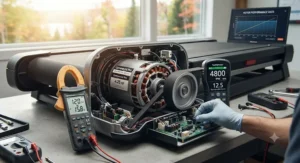
It’s worth knowing that many of the top treadmill manufacturers you’ll encounter while shopping are actually owned by a much smaller handful of parent companies, and that ownership structure explains a lot of the family resemblances you’ll notice between brands. NordicTrack and ProForm are both manufactured under the same corporate umbrella (formerly ICON Health & Fitness, now operating under the iFIT brand), which is exactly why the Commercial 1750 and Carbon Pro 2000 share so much DNA despite their price gap. Horizon Fitness, meanwhile, is a division of Johnson Health Tech, a manufacturer with a long history in commercial gym equipment — which helps explain why Horizon’s home machines tend to inherit sturdier engineering than their price tags suggest.
On the commercial side, names like Life Fitness, True Fitness, and Precor dominate actual gym floors rather than living rooms; these manufacturers build machines designed to survive dozens of daily users, which is part of why their home-market offerings (where available) tend to carry premium pricing that reflects genuinely different engineering standards. Understanding these manufacturer relationships helps explain why two treadmills at wildly different price points sometimes perform more similarly than their marketing suggests — and why a “budget” option from a manufacturer with serious commercial pedigree can still outperform a flashier, more expensive machine from a company with less engineering history behind it.
Reliable Treadmill Brands Comparison: Warranty, Support, and Track Record
| Brand | Frame Warranty | Motor Warranty | Subscription Required? | Reported Support Quality |
|---|---|---|---|---|
| NordicTrack | Lifetime | 10 years | Optional (iFIT for full features) | Moderate wait times reported |
| Sole | Lifetime | Lifetime | No | Strong, frequently praised |
| Horizon | Lifetime | 10 years | No | Responsive for price tier |
| ProForm | Lifetime | 10 years | Optional (iFIT for full features) | Moderate |
| Peloton | Limited (below industry average) | 5 years | Yes (All-Access) | Mixed, app-based support |
| Echelon | Varies by model | Varies by model | Yes (FitPass for classes) | Limited independent data |
| Urevo | Limited (1-2 years typical) | Limited | No | Thin Canadian support network |
This table makes the reliable-brands-versus-budget-brands split pretty clear: brands like Sole and Horizon back their machines with warranties that suggest genuine engineering confidence, while budget imports like Urevo simply can’t match that coverage at their price point — which is a fair trade-off if you understand it going in. Peloton is the interesting outlier here: premium pricing paired with below-average warranty coverage, which reviewers consistently flag as the one place the brand underdelivers relative to its cost.
✨ Don’t Miss These Exclusive Deals!
🔍 Compare current pricing and availability on the models above — click through to see which fits your budget today.
Canadian Treadmill Brand Reviews: What Local Buyers Actually Report
Canadian-specific treadmill reviews add a layer that American buying guides often miss entirely: shipping logistics, cross-border warranty honouring, and electrical certification. Every electrical product sold in Canada, treadmills included, needs to carry recognized certification marks before it can legally be sold here, and it’s genuinely worth checking for a CSA, cUL, or cETL mark before you buy, particularly with lesser-known imported brands sold primarily through third-party online marketplaces.
Canadian buyers researching brand reliability comparisons online tend to flag a few recurring themes: established U.S.-headquartered brands like NordicTrack, Sole, and Horizon generally maintain functional Canadian service and parts networks, while newer budget imports vary wildly in how quickly (or whether) they respond to a Canadian warranty claim. Dedicated Canadian fitness equipment retailers can also be a useful cross-check against manufacturer claims, since they deal with warranty claims across many brands and tend to have a clearer real-world sense of which companies actually honour their coverage without a fight.
Warranty Coverage: What Separates Reliable Brands From the Rest
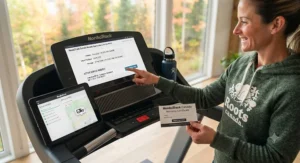
Warranty coverage is arguably the single most honest signal a manufacturer gives you about how long they expect their own machine to last — and it’s worth reading closely rather than skimming the headline number. Industry-standard coverage for a genuinely well-built treadmill breaks down roughly into a frame warranty of ten years or more, a motor warranty of five to ten years, a parts/electronics warranty of at least a few years, and a labor warranty of one to two years. When a brand undercuts any of these categories significantly, that’s rarely a coincidence.
What most buyers overlook is that “lifetime” warranties aren’t universally defined the same way across brands — some apply only to the original purchaser, others require proof of registration within a set window after purchase, and coverage details can shift model to model even within the same manufacturer’s lineup. Before buying, always confirm the exact warranty terms for the specific model (not just the brand generally), since marketing pages sometimes advertise the best-case coverage from the manufacturer’s flagship model rather than the one you’re actually considering.
Customer Service Reputation: Who Actually Answers the Phone
A stellar warranty means very little if getting a technician scheduled takes eight weeks of phone tag, and this is exactly where brand reputations diverge most sharply from their spec sheets. Aggregated feedback across major review platforms consistently points to Sole and Horizon as brands with comparatively responsive support relative to their price tier, while some larger, tech-forward brands draw more mixed reviews — often centered on app-based support systems that can feel impersonal when you’re dealing with a genuinely broken machine rather than a software glitch.
Budget import brands sold primarily through third-party marketplaces present the biggest wildcard here. Without an established Canadian service network, resolving a warranty claim can mean shipping a heavy, awkward item back to a warehouse rather than a quick local technician visit — a real practical cost that rarely shows up in the sticker price comparison. Before buying, it’s worth a quick search for how a brand’s customer service performed for other Canadian buyers specifically, since U.S.-focused reviews don’t always reflect the cross-border experience.
Brand Reliability & Long-Term Cost: What the Data Really Shows
Brand reliability compounds over years, not weeks, which is exactly why a treadmill that impresses in a showroom demo can still disappoint after eighteen months of regular use. The industry-average treadmill lifespan sits around a decade, but that average masks a wide spread — a well-maintained, well-built machine from a manufacturer with a genuine warranty track record can comfortably exceed that, while a poorly supported budget machine run hard three or four times a week may need major part replacements well before its third birthday.
This matters more in Canada than it might elsewhere, given how much of the country relies on indoor equipment through long winters when outdoor exercise becomes genuinely impractical for months at a stretch. With a meaningful share of Canadian adults still falling short of national physical activity benchmarks, a treadmill that breaks down in January — right when it’s needed most — represents a real setback, not just an inconvenience. Calculating true cost-per-use over a machine’s realistic lifespan, rather than just comparing sticker prices, consistently favours brands with stronger warranty backing, even when the upfront cost runs higher.
Common Mistakes When Buying a Treadmill
Even careful shoppers fall into a few predictable traps when comparing treadmill brands. Here’s what expert reviewers flag most often:
- Buying based on motor “peak horsepower” claims rather than continuous horsepower, which better reflects real sustained performance.
- Ignoring weight capacity ratings, which affect belt and motor longevity even for users well under the stated limit.
- Underestimating delivery and assembly logistics — many models require two people and significant unpacking space.
- Choosing based on screen size alone, without checking whether the underlying programming requires an ongoing subscription.
- Skipping the return/trial window details, which vary enormously between brands and can mean the difference between a low-risk purchase and a costly mistake.
Safety, Certification, and Regulations for Canadian Buyers
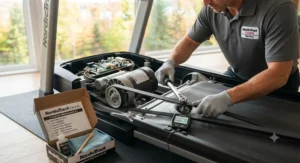
Before plugging in any new treadmill, it’s worth doing a quick safety check that most buying guides skip entirely. Any electrical product sold in Canada must meet recognized national safety certification standards, and looking for a CSA, cUL, or cETL mark on the product itself is a simple way to confirm a machine has actually been tested rather than just marketed as safe. This matters more with lesser-known imported brands, where certification compliance can be inconsistent compared to established manufacturers with a longer regulatory track record.
Beyond electrical certification, basic usage safety matters just as much: always clip the safety key to your clothing before starting a session, keep the area behind the machine clear, and never let young children operate a treadmill unsupervised, since the moving belt and motor present genuine injury risk regardless of how “beginner-friendly” a console claims to be.
Frequently Asked Questions
❓ What is the most reliable treadmill brand?
❓ How long should a good treadmill last?
❓ Is it worth buying a treadmill with a subscription?
❓ What treadmill brands have the best warranty in Canada?
❓ Do I need a CSA-certified treadmill in Canada?
Conclusion
Choosing among the best treadmill brands really comes down to matching your actual routine — not your aspirational one — with a machine built to support it honestly. A university student walking through lectures doesn’t need the same motor as a half-marathoner training through a Prairie winter, and pretending otherwise just wastes money in one direction or leaves you undertrained in the other. What consistently separates reliable brands from the pack isn’t flashy marketing; it’s warranty depth, motor construction, and whether the company actually answers the phone when something needs fixing two years down the road.
Whichever brand you land on — NordicTrack for smart-training depth, Sole for sheer motor longevity, Horizon for warranty-per-dollar value, or a budget walking pad to test the habit before investing more — the goal is the same: a machine that’s still running reliably long after the New Year’s resolution energy fades.
✨ Ready to Find Your Perfect Treadmill?
🔍 Compare current prices and availability on the models above, and pick the one that actually fits your space, budget, and goals — your future self will thank you.
Recommended for You
- Treadmill With Incline Under 1000: 7 Real Picks Worth Buying in 2026
- Treadmill for Seniors: 7 Safe Picks for 2026 (Canada Guide)
- Best Treadmill for Home Use in Canada 2026: 7 Top Picks Reviewed
Disclaimer: This article contains affiliate links. As an Amazon Associate, I earn from qualifying purchases. If you purchase products through these links, we may earn a small commission at no additional cost to you.
✨ Found this helpful? Share it with your friends! 💬🤗
