In This Article
Winters in most of this country turn sidewalks into skating rinks for four or five months a year, so if your fitness plan depends on outdoor hills, you’re going to have a rough January. That’s the honest case for bringing the hill indoors. A treadmill with incline under 1000 is a motorized or manually adjustable treadmill that tilts its running deck upward — usually somewhere between 10% and 15% grade — to mimic uphill walking or running, all while staying under the C$1,000 mark (or hovering just around it during regular pricing).
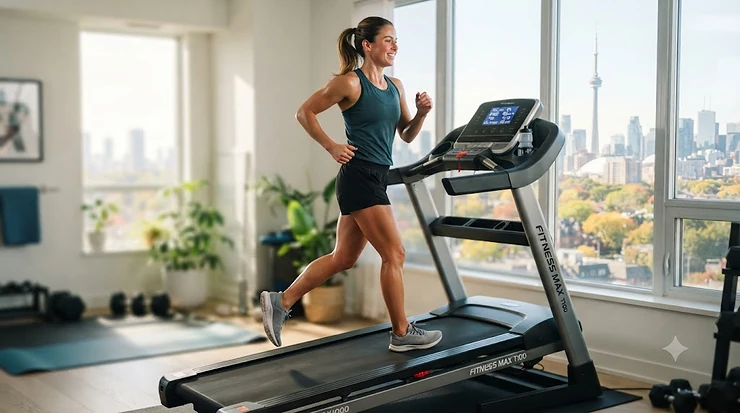
What is a treadmill with incline under 1000? In plain terms, it’s a home cardio machine that combines a standard belt-driven treadmill with a powered or manual incline mechanism, priced in the budget-to-mid-range tier rather than the C$2,000-plus commercial-style category. The incline function matters more than most shoppers realize: walking at a 10-12% grade can roughly double the calorie burn of flat walking at the same speed, according to widely cited exercise physiology research, and it shifts a meaningful chunk of the workload onto your glutes and hamstrings instead of just your quads. It’s the closest thing to hiking Grouse Mountain that fits in a spare bedroom.
We dug through real spec sheets, manufacturer documentation, and aggregated review sentiment from independent testers and verified buyers to put together this guide. Every product mentioned here is a real, purchasable model — no invented “TrailMaster 3000” nonsense. We’re also leaning on Canada’s own 24-Hour Movement Guidelines for adults, which frame moderate-to-vigorous activity as a core piece of a healthy day, to ground the “why bother with incline at all” question in something more solid than marketing copy. By the end, you’ll know which of these seven machines deserves your basement corner, and which ones to skip even if the price tag looks tempting.
Quick Comparison Table
| Treadmill | Max Incline | Motor | Deck Size | Best For |
|---|---|---|---|---|
| Sunny Health & Fitness SF-T7515 Smart | 12% (12 levels) | 2.0-2.2 HP | 49.5″ x 16.5″ | Tightest budget, apartments |
| Horizon T101 | 10% | 2.5 HP | 20″ x 55″ | Walking, first-time buyers |
| ProForm Carbon TLS | 10% auto | 2.6 CHP | 18″ x 55″ | iFIT-guided workouts |
| XTERRA TRX3500 | 12% (12 levels) | 3.0 HP | 20″ x 60″ | Mid-range all-rounder |
| Bowflex T6 | 15% | 3.0 HP | 20″ x 60″ | Best value near C$1,000 |
| Horizon 7.0 AT | 15% | 3.0 HP | 20″ x 60″ | Fast incline changes, runners |
| Sole F63 | 15% | 3.0 CHP | 20″ x 60″ | Premium stretch pick |
A quick glance tells a clearer story than any spec sheet alone: the moment you cross into the C$900-C$1,100 range, incline jumps from a modest 10-12% up to a genuinely challenging 15%, and the deck grows from cramped 55-inch walking surfaces to full 60-inch running decks. That’s not a coincidence — it’s where manufacturers stop cutting corners on the motor and frame to hit an aggressive price point. If your budget is firm and closer to C$500-C$700, expect to trade top-end incline and deck length for a smaller footprint and a lighter-duty motor, which is still perfectly fine for walking-based routines.
💬 Just one click — help others make better buying decisions too!😊
Top 7 Treadmills With Incline Under 1000: Expert Analysis
1. Sunny Health & Fitness SF-T7515 Smart — most incline per dollar in the budget tier
The SF-T7515 Smart punches well above its price class by offering a genuine 12-level, 12% motorized incline on a treadmill that regularly sits in the low-to-mid C$600 range. That’s a rare combination — most machines this affordable stick to a flat deck or a single manual incline peg. The 2.0-2.2 peak horsepower motor and roughly 8 mph top speed make it clear this unit is built for walkers and light joggers, not marathon trainers, and the 49.5″ x 16.5″ belt is noticeably narrower than the 60″ x 20″ decks found on pricier machines. Based on the spec comparison, this is the model to pick if your workouts are mostly brisk walking, incline intervals, or rehab-style movement rather than sustained running. Reviewers frequently highlight the weight capacity, with the machine rated to support up to 240 lb, and aggregated buyer feedback consistently flags the narrow belt and tight handlebar spacing as the main friction points, alongside occasional reports of belt slipping after several months of regular use. The SunnyFit app and Bluetooth speaker integration are legitimately nice touches most competitors in this price bracket skip entirely.
Pros:
- ✅ 12% motorized incline is rare at this price point
- ✅ Compact footprint suits apartments and small rooms
- ✅ Bluetooth speakers and free SunnyFit app included
Cons:
- ❌ Narrow 16.5-inch belt cramps longer strides
- ❌ 240 lb weight capacity limits who it suits
Typically priced in the C$600-C$750 range, this is the budget incline treadmill to beat if incline percentage per dollar is your main criterion — check current price before buying since fitness equipment pricing shifts with promotions.
2. Horizon T101 — best all-rounder for first-time treadmill owners
Horizon built the T101 as an entry point into its lineup, and it shows in the sensible feature set: a 20″ x 55″ deck, a maximum incline of 10%, and a top speed of 10 mph, all packed into a 180-pound frame that folds down to a compact footprint. What most buyers overlook about this model is the QuickDial-style control layout carried over from Horizon’s pricier machines, which lets you bump incline or speed without hunting for tiny plus-minus buttons mid-stride. The built-in programs — Hill Climb, Intervals, Fat Burn — actually put that 10% incline to use rather than leaving it as a spec-sheet checkbox. Here’s what to weigh: the 20-inch by 55-inch belt is fine for walkers and light joggers under about 5’10”, but taller runners will feel the shorter length at higher speeds. Aggregated reviewer sentiment across major retailers consistently praises the value-to-feature ratio and Bluetooth speaker connectivity, while a recurring complaint centres on the modest 2.5 HP motor struggling with sustained running above a light jog.
Pros:
- ✅ QuickDial controls speed up mid-workout adjustments
- ✅ Six built-in programs actually use the incline range
- ✅ Lightweight frame is easy to fold and move
Cons:
- ❌ 55-inch deck feels short for taller runners
- ❌ 2.5 HP motor isn’t built for serious mileage
Generally found in the C$750-C$900 range, the T101 remains one of the most-recommended entry-level picks for anyone who wants incline training without committing to a full running-grade machine.
3. ProForm Carbon TLS — smartest pick for guided, app-driven hill workouts
The Carbon TLS takes a different approach entirely: instead of manually dialing incline up and down, it auto-adjusts speed and incline in real time to match an active iFIT class, so climbing a virtual mountain pass actually feels like climbing. What most buyers overlook about this model is how compact the folded footprint is — unfolded it measures 67.5″ long by 31.6″ wide by 56.2″ tall, and folded down to 32.9″ long, 31.6″ wide, and 65.7″ tall, which matters enormously if you’re working with a condo-sized spare room. The trade-off for that auto-adjust convenience is a smaller 18″ x 55″ deck and a 2.6 CHP motor that’s respectable but not built for serious distance running. Based on the spec comparison, this treadmill rewards people who actually want to follow guided outdoor-route content rather than freestyle their own workouts, since the incline auto-adjustment only shines with an active iFIT membership layered on top of the hardware cost. Reviewers who’ve spent real time on the Carbon TLS and its close siblings consistently note the immersive feeling of the incline changes syncing with a coach’s route commentary, though the recurring criticism is that the ongoing subscription fee changes the effective total cost of the machine.
Pros:
- ✅ Auto-adjusting incline syncs with guided iFIT routes
- ✅ Compact folded footprint saves real floor space
- ✅ Lightweight frame is easy for one person to move
Cons:
- ❌ Full incline experience requires a paid iFIT membership
- ❌ Smaller 18-inch belt limits taller runners
Prices typically land in the C$800-C$1,000 range for the hardware alone, so factor the ongoing membership into your value math before deciding it’s the budget option it looks like on paper.
4. XTERRA TRX3500 — the mid-range all-rounder that doesn’t cut belt length
The XTerra Fitness TRX3500 pairs a 60″ x 20″ tread surface with a 12 mph top speed and up to 12% incline, which puts it squarely in “handles anything from walking to intense intervals” territory rather than the walking-only tier below it. What stands out on paper — and what reviewers consistently confirm in practice — is that XTERRA didn’t shrink the running surface to hit this price point the way some competitors do. The console supports 30 preset programs, each customizable, and the unit is compatible with a wireless chest strap for heart-rate-controlled workouts, a feature genuinely uncommon below the C$1,500 mark. The 3.0 HP motor is honest about its limits: it’s built for walking, jogging, and light-to-moderate running rather than daily marathon training, and reviewers note the fan is smaller and less powerful compared to units they’ve tested on pricier XTERRA models. Based on the spec comparison, this is the treadmill for someone who wants a full-size 60-inch deck and real Bluetooth FTMS app connectivity (Zwift, Kinomap, Wahoo SYSTM) without paying for a built-in touchscreen they may not use.
Pros:
- ✅ Full 60-inch deck accommodates taller runners
- ✅ 30 preset programs plus heart-rate-controlled workouts
- ✅ Bluetooth FTMS connects to Zwift, Kinomap, and more
Cons:
- ❌ Basic LCD console feels dated next to touchscreen rivals
- ❌ Console fan underwhelms during longer sessions
Prices tend to sit around C$950-C$1,150 depending on promotions, occasionally dipping to just under the C$1,000 threshold — worth checking current pricing before you commit.
5. Bowflex T6 — the sharpest value right around the C$1,000 line
If one machine on this list earns the “best treadmill with incline under 1000″ label most literally, it’s the Bowflex T6. It delivers a true 15% motorized incline with quickdial controls that make mid-workout tweaks feel effortless, and the 20″ x 60” running path gives taller athletes room to move without feeling like they’re walking a tightrope, while the 3.0 HP motor provides enough grunt for serious power walking and consistent jogging without the stuttering common in cheaper machines. What most buyers overlook about this model is how unusually fast its incline transitions are — reviewers who’ve tested it directly describe the grade changes as smooth and nearly silent, with the frame staying steady even at the steepest setting, which isn’t something you can say about every incline mechanism in this price bracket. The JRNY app integration adds guided and freestyle workout tracking, syncing with wearables like Apple Watch and Garmin. Aggregated reviewer sentiment is remarkably consistent here: the quickdial knobs and Bluetooth pairing get singled out as standout usability wins, and the main criticism that surfaces repeatedly is that JRNY’s free trial eventually gives way to a subscription if you want the full guided-content library.
Pros:
- ✅ True 15% incline with fast, smooth transitions
- ✅ Full 60-inch belt fits taller runners comfortably
- ✅ Quickdial handlebar controls speed and grade instantly
Cons:
- ❌ JRNY app’s full library needs a paid subscription
- ❌ Heavier frame makes relocating it a two-person job
Commonly priced right around C$900-C$1,000, making it one of the few 15%-incline machines that genuinely fits the “under 1000” brief without a stretch.
6. Horizon 7.0 AT — fastest incline changes for interval-heavy training
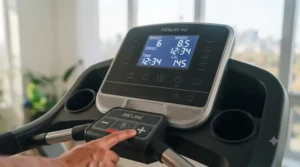
The 7.0 AT has a 15% incline and a 0.5 to 12 mph speed range, backed by a 3.0 HP motor so those ranges can be used fully without prematurely wearing out the motor. Horizon’s QuickDial controls sit almost in the path of a runner’s arm swing, so adjusting speed or incline barely interrupts your stride, and independent testers have called it one of the fastest-reacting incline systems they’ve used on any home treadmill. Here’s what the spec sheet won’t tell you outright, but reviewers consistently note: that rapid incline response is what makes structured interval and hill-repeat workouts genuinely practical here, rather than something you awkwardly wait ten seconds for the deck to catch up on. The hydraulic folding system is another honest strength, making storage meaningfully easier than treadmills with manual fold mechanisms. Where the 7.0 AT loses ground to the Bowflex T6 in head-to-head comparisons is app and wearable integration breadth — reviewers who’ve used both note the T6 edges it out there, and the 7.0 AT’s price point runs slightly higher on average.
Pros:
- ✅ Fastest incline and speed transitions in this lineup
- ✅ Hydraulic folding system simplifies storage
- ✅ Lifetime frame and motor warranty
Cons:
- ❌ Typically priced a bit above the strict C$1,000 line
- ❌ Fewer third-party app integrations than the Bowflex T6
Generally found in the C$1,000-C$1,250 range, this is the “if your budget has fifty or a hundred extra dollars of flex” pick for buyers who prioritize incline responsiveness above all else.
7. Sole F63 — the premium stretch pick built to outlast the others
The F63 features a 60-inch running surface, a 3.0 HP motor, and an upgraded console with ten training programs, with a powder-coated steel frame built to hold steady at the track’s top speed of 12 mph and 15% incline. What stands out about this one, according to reviewers who’ve logged real hours on it, is the sheer sturdiness of the deck through incline transitions — the incline is on the slower side, but the deck feels notably stable while climbing, which matters if you’ve ever wobbled through a grade change on a flimsier frame. The 20″ x 60″ deck, 15 incline levels, and 3.0 CHP motor put it ahead of most sub-C$1,000 competitors on raw build quality, and Sole ships to Canadian addresses with threshold delivery included in most regions. On paper this means you’re paying a modest premium for long-term durability rather than flashy extras — there’s no large touchscreen here, just a functional 6.5-inch LCD display and Bluetooth connectivity for pairing your own device. Reviewer sentiment across multiple independent outlets is unusually consistent in calling this the best build quality available anywhere near this price tier, with the recurring nitpick being the incline’s somewhat sluggish response speed compared to the Bowflex T6 or Horizon 7.0 AT.
Pros:
- ✅ Exceptionally stable deck through incline changes
- ✅ Lifetime frame and motor warranty, well regarded
- ✅ Four transport wheels make repositioning easy
Cons:
- ❌ Incline adjusts more slowly than rival machines
- ❌ Price commonly runs above the C$1,000 mark
Typically priced in the C$1,050-C$1,300 range, so treat this as the aspirational pick on the list — the one worth saving toward if long-term durability outweighs staying strictly under the C$1,000 line.
Practical Usage Guide: Setting Up Your Incline Treadmill Right
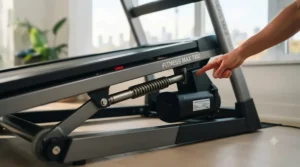
Getting a new treadmill with incline under 1000 out of the box is only half the job — the first thirty days are where most home-gym enthusiasm quietly dies. Start with placement: incline treadmills need extra vertical clearance, since the front of the deck rises several inches (sometimes closer to a foot) at maximum grade, so measure your ceiling height with the incline maxed out before you fall in love with a spot in a low-ceilinged basement. Most manufacturers recommend at least 8 to 8.5 feet of clearance for anyone over six feet tall using the top incline setting. Next, budget real time for assembly; a folding incline treadmill with a motorized deck typically takes 45-90 minutes to put together properly, and rushing the bolt torque on the incline lift mechanism is a common first-week mistake that leads to squeaking or wobble down the line.
Once it’s running, resist the urge to jump straight to maximum incline on day one. A sensible break-in period — light walking at 0-4% grade for the first week — lets the belt, motor, and incline motor settle in before you load them with steeper grades and higher speeds. Lubricate the belt on the schedule your manual specifies (commonly every 150-200 hours of use); skipping this is the single most common reason budget treadmill belts start slipping or squeaking within the first year. Finally, set a weekly cleaning habit: wipe down the belt edges and vacuum under the deck monthly, since dust buildup around the incline lift motor is a quieter, less obvious wear factor than most owners expect.
Real-World Scenarios: Matching a Machine to Your Life
The condo-dwelling beginner. If you’re working with a small second bedroom, a firm sub-C$800 budget, and mostly plan to walk while listening to podcasts, the Sunny SF-T7515 Smart or Horizon T101 make the most sense — both fold compactly and neither demands a serious motor for that use case.
The hybrid runner training for a spring race. Someone logging three to four runs a week, including hill-repeat sessions, needs the full 60-inch deck and 15% incline of the Bowflex T6 or Horizon 7.0 AT. The narrower budget decks simply won’t hold up to that mileage or stride length.
The guided-workout household. Families who respond better to a coach’s voice than a blank console screen tend to get far more consistent use out of the ProForm Carbon TLS, since the auto-incline-adjustment feature removes the “did I actually turn the incline up” friction entirely.
Problem → Solution Guide
Problem: My apartment ceiling is low, and I’m worried about incline clearance. Solution: Measure from floor to ceiling at the exact spot the treadmill will sit, then check the manufacturer’s recommended clearance at maximum incline — models like the Sunny SF-T7515 Smart and Horizon T101 have lower step-up heights that reduce the risk.
Problem: The incline motor feels sluggish or hesitates before grade changes. Solution: This is often a lubrication or firmware issue rather than a hardware failure; check for a manual reset procedure in the owner’s manual before assuming the unit is defective, particularly on the Sole F63, which reviewers already flag as having a naturally slower incline response.
Problem: I keep skipping incline intervals because adjusting mid-run is annoying. Solution: Prioritize a model with handlebar-mounted quickdial controls — the Bowflex T6 and Horizon 7.0 AT both let you bump grade without breaking stride, which measurably increases how often people actually use the incline feature.
Problem: My belt is slipping or making noise after a few months. Solution: Check belt tension and apply silicone-based treadmill lubricant per the maintenance schedule; this single fix resolves the majority of early belt-noise complaints across nearly every brand in this guide.
Problem: I want hill training but I’m nursing a knee or hip issue. Solution: Lean toward lower speeds with moderate incline (6-10%) rather than high speed on a flat deck — incline walking builds cardio fitness with less joint impact than running, a pattern that shows up consistently in aggregated reviewer feedback from buyers managing joint pain.
✨ Don’t Miss These Exclusive Deals!
🔍 Take your home cardio setup to the next level with these carefully selected treadmills. Click on any highlighted item to check current pricing and availability. These machines will help you build a hill-training habit your knees, your calendar, and your Canadian winters will actually thank you for!
How to Choose a Treadmill With Incline Under 1000
- Confirm the incline range matches your goals. A 10% max is fine for general fitness; serious hill training benefits from 12-15%.
- Check deck length against your height. Runners over 5’10” should lean toward a 60-inch deck rather than the shorter 55-inch options.
- Weigh motor horsepower against your training style. Walking-focused users can get away with 2.0-2.5 HP; regular jogging or running calls for 3.0 HP or more.
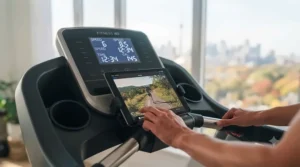
- Look at how incline is adjusted. Handlebar quickdial controls genuinely get used more often than console-only buttons, based on aggregated reviewer behaviour patterns.
- Factor in subscription costs. iFIT and JRNY both unlock more content behind a monthly fee — decide if you’ll actually use it before counting it as “included.”
- Verify the weight capacity against every household member. A 240 lb-rated budget deck won’t serve every user in a multi-person home the way a 300-350 lb-rated mid-range unit will.
- Read the warranty fine print. Lifetime frame and motor coverage (common on Horizon, Bowflex, and Sole) is a meaningful signal of manufacturer confidence in long-term durability.
Common Mistakes When Buying an Incline Treadmill
The single biggest mistake buyers make is treating “incline” as a single checkbox rather than a spectrum. A treadmill advertised with incline could mean anything from a 3-position manual peg you adjust by hand between sets, up to a smooth 15% motorized range you tweak mid-stride. The gap between those two experiences is enormous, and it’s rarely obvious from a product thumbnail. The second common misstep is buying based purely on price without checking deck length — a shopper who’s 6’2″ and buys an 18-inch by 55-inch deck because it was the cheapest option will likely regret it within a month of running, even though the same deck suits a shorter walker perfectly well. A third mistake worth flagging: assuming a bundled app subscription is “free forever” when most iFIT and JRNY plans convert to paid tiers after an introductory window, quietly changing the treadmill’s real total cost.
Motorized Incline Treadmill vs Manual Incline vs Flat Treadmills
A flat treadmill with no incline function is the cheapest option and fine for pure walking or easy jogging, but it caps your calorie-burn ceiling and does nothing for posterior-chain strength. A manual incline treadmill — where you physically lift or reposition the deck between sets — adds real training variety at a lower cost than motorized systems, but interrupting a workout to adjust grade by hand kills interval training momentum, which is exactly the scenario where hill training simulation is supposed to shine. A motorized incline treadmill, the focus of this guide, lets you shift grade on the fly via console or handlebar controls, which is what makes structured interval work — 2 minutes flat, 1 minute at 10% grade, repeat — actually practical rather than theoretical. The trade-off is straightforward: motorized incline systems cost more and add one more mechanical component that can eventually need service, but for anyone serious about variable workout intensity, the convenience difference is significant enough to justify the premium in most budgets.
What to Expect: Real-World Hill Training Performance
Specs on paper rarely translate cleanly into how a workout actually feels, so here’s the practical translation. At a 10% incline and a moderate 3-3.5 mph walking pace, expect your heart rate to climb noticeably faster than flat walking at the same speed — many users report hitting a brisk-jog heart rate zone while still technically walking, which is exactly the joint-friendly intensity boost incline training is known for. Push to a 15% grade, and even a slow pace turns into genuine hip-and-glute work within the first few minutes; this is where the sturdier decks on the Bowflex T6, Horizon 7.0 AT, and Sole F63 earn their keep, since a wobbly frame at steep grades is both uncomfortable and, frankly, a little unnerving. On the budget end, a 12% incline on the Sunny SF-T7515 Smart still delivers a legitimate hill-training simulation, just paired with a narrower belt that demands more deliberate foot placement. Across the board, aggregated reviewer sentiment agrees on one thing: incline training feels harder at a given speed than flat running does, which is precisely the point — it lets you hit meaningful cardio intensity without the joint pounding of higher-speed flat running.
Best Budget Incline Treadmill Picks by Audience
For beginners easing into a routine, the Horizon T101 offers the gentlest learning curve — simple controls, a manageable 10% incline ceiling, and a price point that doesn’t demand a big commitment before you know if a home treadmill habit will stick. For budget-conscious apartment dwellers, the Sunny SF-T7515 Smart remains the standout best budget incline treadmill on this list, delivering a genuine 12% motorized incline for meaningfully less than every other entry here. For runners who don’t want to outgrow their machine in six months, the Bowflex T6 or XTERRA TRX3500 provide the deck length and motor durability to grow alongside improving fitness. For seniors or anyone managing joint sensitivity, a lower step-up height and a moderate 10-12% incline ceiling — again pointing toward the Horizon T101 or Sunny SF-T7515 Smart — reduces both fall risk and joint strain compared to steep 15% grades taken at speed.
Long-Term Cost & Maintenance
The sticker price is only the opening bid in a treadmill’s total cost of ownership. Belt lubricant, replacement belts (typically needed every 3-5 years with regular use), and the occasional motor brush or belt replacement all factor into the real math. A lifetime frame-and-motor warranty — standard on the Horizon, Bowflex, and Sole models here — meaningfully de-risks the biggest potential expense, since motor replacement outside of warranty can cost a substantial fraction of the machine’s original price. Subscription content is the other quiet cost driver: if you plan to lean on iFIT (ProForm Carbon TLS) or JRNY (Bowflex T6) long-term, budget for that monthly fee as part of the ownership cost rather than treating it as optional extra content. Cost-per-use math tends to favour whichever machine you’ll actually keep using consistently — a cheaper treadmill used four times a week beats a pricier one gathering dust, every time.
Safety, Regulations, and Compliance Guide
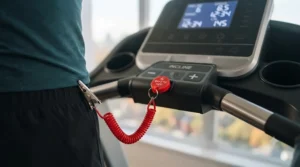
Every treadmill sold for use in Canadian homes should carry a recognized electrical safety mark. Electrical products that plug into an outlet must meet Canadian national safety standards and be certified by an accredited certification body — always check for certification marks such as CSA, cUL, or cETL before purchasing, a guideline laid out directly by Health Canada’s electrical product safety resources. This isn’t optional fine print; it’s the difference between a machine engineered to Canadian electrical code and one that technically isn’t approved for use here. Beyond the electrical side, basic household precautions matter: keep the safety clip attached to your clothing during runs, ensure the area around the deck is clear of pets and small children, and never leave a motorized incline treadmill running unattended, since a stuck incline motor is a rare but real hazard. If you’re weighing whether these safeguards matter enough to bother with, it’s worth revisiting why incline training is worth doing in the first place — Canada’s evidence-based movement guidelines point to consistent moderate-to-vigorous activity, which structured incline sessions deliver efficiently, as a core pillar of long-term health.
Calorie-Burning Optimization: Variable Workout Intensity Strategies
Static, single-speed treadmill sessions plateau fast — your body adapts, and the same 30-minute flat walk burns fewer calories six weeks in than it did on day one. Variable workout intensity, built around incline changes rather than just speed changes, sidesteps that adaptation more effectively for most home users, since ramping grade recruits more muscle mass without demanding the joint-jarring speed increases that lead to injury. A practical calorie-burning optimization structure looks like this: three minutes at a flat, comfortable pace to warm up, then alternate two minutes at 8-10% incline with one minute back at flat grade, repeating for six to eight rounds, finishing with a five-minute cooldown at 0% incline. This kind of interval structure is exactly where handlebar quickdial controls — standout features on the Bowflex T6 and Horizon 7.0 AT — earn their keep, since fumbling with console buttons mid-interval breaks the rhythm that makes the workout effective in the first place. Reviewers who’ve tracked their own calorie output across flat versus incline sessions consistently report meaningfully higher burn numbers at the same perceived effort level once incline enters the routine, which lines up with what exercise physiologists have documented for years about grade-based intensity.
Frequently Asked Questions
❓ What incline percentage is best for weight loss on a treadmill?
❓ Is a treadmill with incline under 1000 worth it compared to a flat treadmill?
❓ How much incline do I need to simulate outdoor hill training?
❓ Do budget incline treadmills under 1000 hold up to daily use?
❓ Can I add incline training to an existing flat treadmill routine?
Conclusion
A treadmill with incline under 1000 isn’t a compromise purchase anymore — it’s arguably the smarter buy over a flat-deck machine at the same price, given how much more training variety and calorie-burning potential incline unlocks. Budget-conscious walkers will get real mileage out of the Sunny SF-T7515 Smart or Horizon T101, hybrid runners chasing hill-repeat gains should look hardest at the Bowflex T6 or Horizon 7.0 AT, and anyone prioritizing long-term build quality over shaving the last hundred dollars off the price should give the Sole F63 a serious look, even if it nudges slightly past the strict C$1,000 line. Whichever you choose, the honest advice holds across every price tier here: match deck length and incline range to how you’ll actually train, not to the flashiest spec on the box, and check current pricing and availability before you buy, since fitness equipment pricing shifts often. According to ParticipACTION’s latest Report Card on Physical Activity for Adults, most adults in this country still fall short of national movement targets — a reliable incline treadmill sitting ready in a spare room removes one of the biggest excuses standing between you and closing that gap.
✨ Ready to bring the hills indoors this winter?
Pick the model that matches your training style above, check its current price, and take the first step toward a routine that doesn’t depend on ice-free sidewalks. ✨
Recommended for You
- Treadmill for Seniors: 7 Safe Picks for 2026 (Canada Guide)
- Best Treadmill for Home Use in Canada 2026: 7 Top Picks Reviewed
- Best Treadmill for Beginners in Canada 2026: 7 Top Picks Reviewed
Disclaimer: This article contains affiliate links. As an Amazon Associate, I earn from qualifying purchases. If you purchase products through these links, we may earn a small commission at no additional cost to you.
✨ Found this helpful? Share it with your friends! 💬🤗
